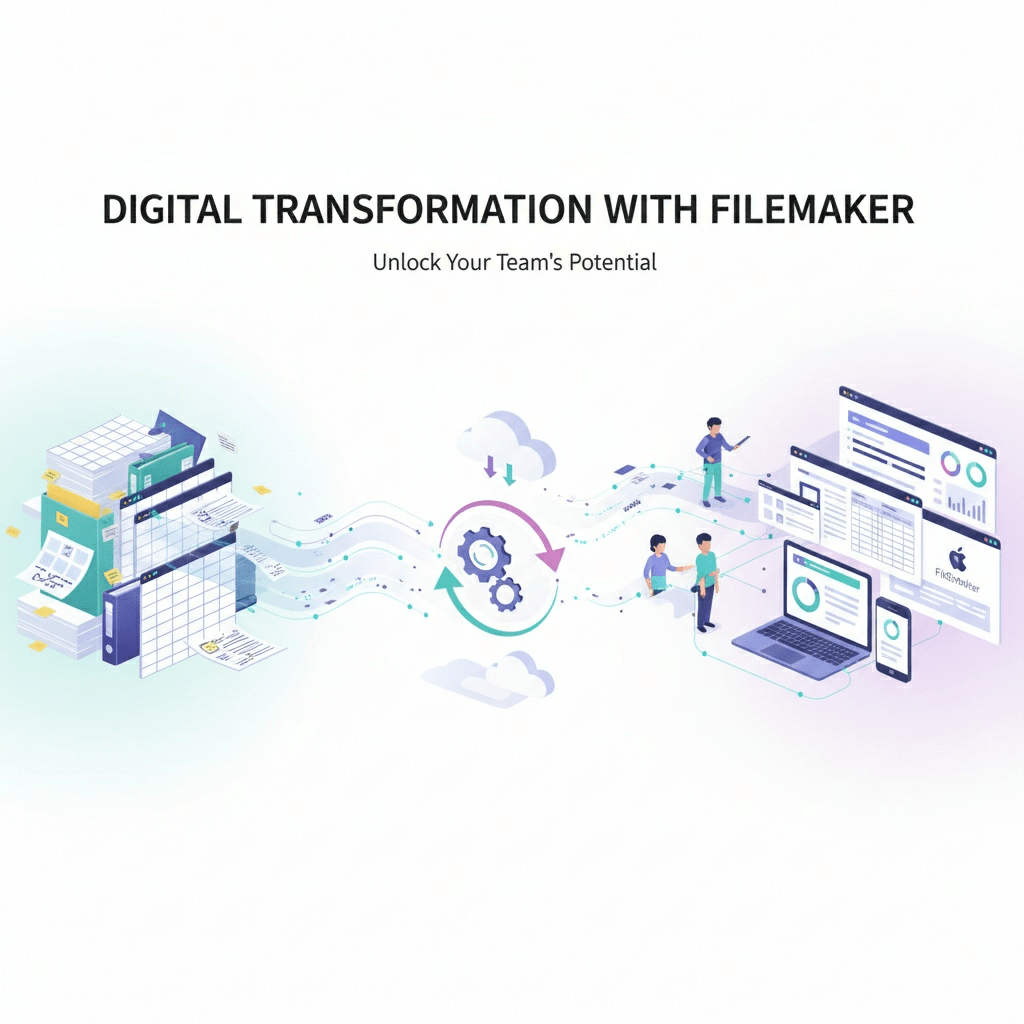
In today’s fast-moving business world, digital transformation is no longer optional — it’s a necessity. Companies of every size are rethinking how they manage data, serve customers, and operate efficiently. But for many organizations, the challenge lies in finding the right tools to make that shift without draining resources.
This is where Claris FileMaker comes in. As a leading low-code platform, FileMaker helps businesses move beyond outdated systems and manual processes into modern, automated, and scalable solutions. Let’s explore how FileMaker plays a vital role in digital transformation and the steps companies can take to leverage its power.
Step 1: Identifying Business Challenges
Every transformation journey starts with recognizing problems. For most businesses, this includes:
- Dependence on spreadsheets or paper-based systems
- Siloed data scattered across departments
- Time-consuming manual workflows
- Limited visibility into real-time performance
By identifying these issues, businesses can clearly define what they want to achieve with FileMaker.
Step 2: Building Custom Apps to Replace Inefficient Tools
Instead of relying on one-size-fits-all software, FileMaker enables companies to build custom applications that reflect their unique processes. Whether it’s managing inventory, tracking customers, or automating HR tasks, businesses can design solutions that are easy to use, scalable, and perfectly aligned with their goals.
Step 3: Automating Workflows with Claris Connect
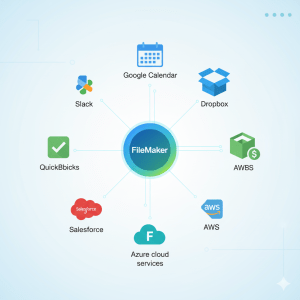
A key aspect of digital transformation is automation. FileMaker, together with Claris Connect, allows organizations to integrate with tools like Slack, Outlook, Shopify, and QuickBooks. Repetitive tasks such as sending invoices, updating customer data, or syncing online orders can be automated, saving time and reducing errors.
Step 4: Enhancing Collaboration and Mobility
Digital transformation isn’t just about technology — it’s about people. FileMaker apps are cloud-ready and mobile-friendly, giving teams secure access to data anytime, anywhere. This mobility ensures collaboration between on-site employees, remote teams, and even external partners, creating a seamless workflow across the organization.
Step 5: Securing Data and Ensuring Compliance
As businesses go digital, data protection becomes a top priority. FileMaker provides role-based access, data validation, and strong encryption, ensuring sensitive information stays safe. This helps organizations meet compliance standards while building trust with their clients.
Step 6: Scaling with Growth
A successful digital transformation should grow with the company. FileMaker apps are scalable, meaning businesses can start small and expand functionality as their needs evolve. From a single-team solution to enterprise-wide systems, FileMaker adapts every step of the way.
Conclusion
Digital transformation can be intimidating, but with the correct resources, it can be exciting and manageable. A clear route from antiquated, manual procedures to contemporary, effective, and intelligent systems is offered by Claris FileMaker.
Businesses can use FileMaker as the catalyst for their transformation by completing these steps: identifying obstacles, creating unique applications, automating processes, improving teamwork, protecting data, and growing with the company.
The message is clear for businesses prepared to face the future: FileMaker is a catalyst for digital success, not just a tool.